Last Updated: November 17, 2026
Quick Summary
Choosing durable backyard fencing means matching the material to your priorities, your yard, and the climate it must survive. Ranking privacy, security, pet containment, and budget first, then comparing how each material fails, makes the right choice much clearer.
- Rank privacy, security, pet containment, and budget before comparing materials.
- Factor in upkeep, repairs, and eventual replacement, not just the purchase price.
- Compare materials by how they fail, since the weak point you can live with is usually the right choice.
- Choose a wood species suited to your climate and budget, and focus on sealing and post setting.
- Near the Delaware coast, powder-coated aluminum or vinyl often holds up better than bare steel or standard wood.
Table of Contents
- Start With Your Priorities: Privacy, Security, Pets, and Budget
- Different Types of Fencing Materials and How They Hold Up
- Types of Wood Fences and Which Species Last Longest
- Matching the Best Fence for Backyard Conditions in Delaware
- Planning Your Fence Maintenance So It Lasts
- Scheduling Your Free Estimate and Next Steps
- Frequently Asked Questions
Choosing durable backyard fencing comes down to matching the material to your priorities, your yard, and the climate it has to survive. The decisions homeowners make in the first few weeks usually determine whether a fence still looks right a decade later. Rather than starting with price tags, start by asking what the fence needs to do.
Start With Your Priorities: Privacy, Security, Pets, and Budget
Every fence trades off a few things at once, so ranking your priorities first makes the material choice much simpler. Privacy calls for solid panels with minimal gaps.
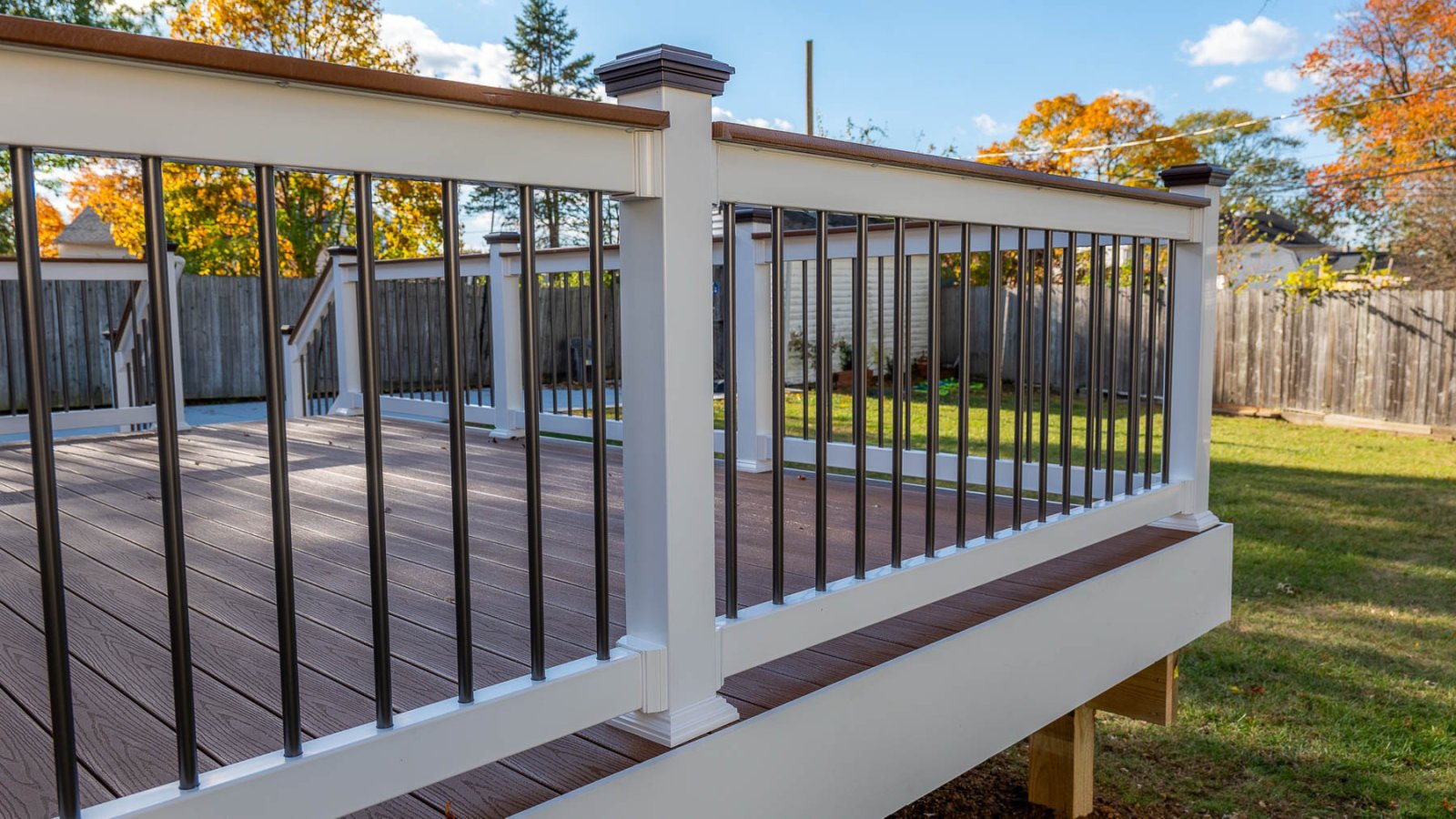
Don’t treat the fence as a single purchase.
Watch out: homeowners often skip the question of what sits on the other side. A busy street, a neighbor’s dog, or a low-lying wet corner each pushes the decision in a different direction.
Different Types of Fencing Materials and How They Hold Up
Most residential yards come down to four materials: wood, vinyl, metal, and chain-link. The fastest way to narrow your list is to compare them by how they fail rather than by appearance, the material whose weak point you can live with is usually the right choice.
Wood, Vinyl, Metal, and Chain-Link Compared
Wood offers a natural look and works well for privacy, but it needs regular sealing or staining to resist moisture and rot. Vinyl resists rot and insects and generally needs only occasional washing. Compare vinyl and wood side by side to see how each holds up over time. Metal, usually aluminum or steel, handles weather well and suits open designs that let light and views through. Read the pros and cons of wood, aluminum, or vinyl to weigh each option.
How Each Material Fails, and What That Means for Repairs
Durability is easier to judge when you know the failure mode. Wood usually fails at the bottom.
Vinyl doesn’t rot, but it becomes brittle in sustained cold and can crack on sharp impact, and cheaper profiles can sag between posts.
Metal fails at the finish first. Once powder coating is scratched or chipped, bare steel underneath can corrode, and coastal salt air accelerates that. Aluminum avoids rust but can still dent.
Chain-link fails at the coating and the tension.
Pros and Cons by Material
| Material | Strengths | Trade-offs | Typical Failure Mode | Best For |
|---|---|---|---|---|
| Wood | Natural look, strong privacy, easy to customize | Needs sealing or staining, susceptible to rot and insects | Rot at post base and board ends | Privacy and traditional appearance |
| Vinyl | Low maintenance, rot and insect resistant | Higher upfront cost, can crack under sharp impact | Cracking in cold, sagging between posts | Hands-off durability |
| Metal (aluminum or steel) | Long-lasting, weather resistant, open views | Less privacy unless paired with screening, steel can rust if the finish fails | Finish failure and corrosion | Security and open sightlines |
| Chain-link | Lowest cost, quick to install | Minimal privacy, looks utilitarian | Coating wear, bent rails, stretched fabric | Containment on a budget |
Lifespan depends heavily on installation and maintenance, so treat these trade-offs as general patterns. Ask any contractor for the specific product warranty and what it does and does not cover.
Types of Wood Fences and Which Species Last Longest
Wood fencing is not one product. The species you choose changes how long the fence lasts and how much maintenance it needs. Learn more about wood types, benefits, and maintenance tips for your property.
Regardless of species, the parts you cannot see matter more than the boards. Posts set in untreated ground and boards that trap moisture against the wood are the usual points of failure. Choose a species that suits your climate and budget, then focus on sealing, drainage, and post setting.
Matching the Best Fence for Backyard Conditions in Delaware
Delaware’s climate is a real factor in fence performance. Coastal humidity, heavy rain, periodic nor’easters, and seasonal temperature swings all put stress on fencing. A material that performs well in a dry inland yard may age faster near the coast.
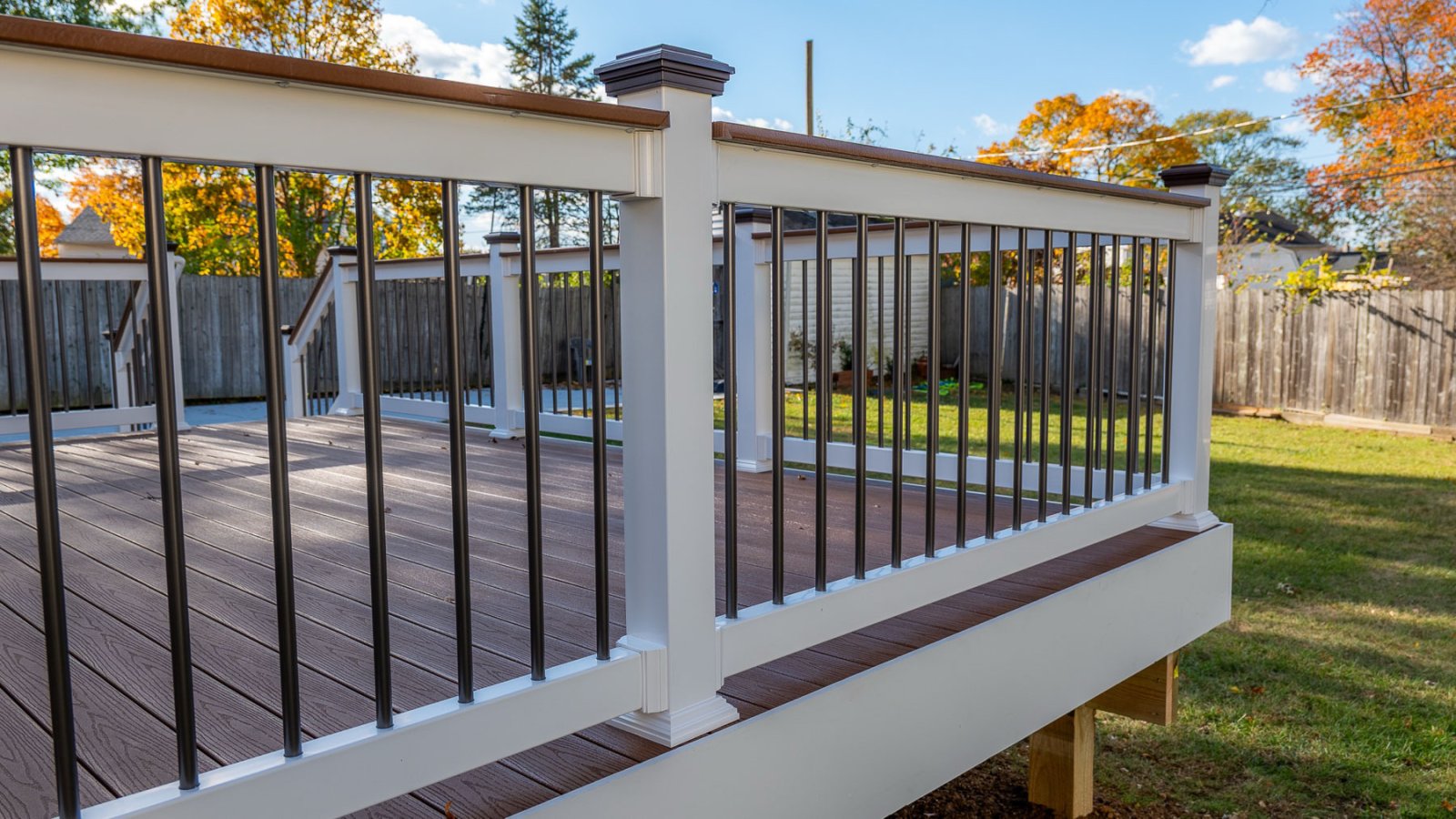
Coastal Humidity, Heavy Rain, and Wind Exposure
Humidity and salt air accelerate corrosion in metal and rot in untreated wood. Near the coast, powder-coated aluminum or vinyl often holds up better than bare steel or standard wood. Explore the benefits of aluminum fencing for Delaware homes and how it handles local weather.
Wind exposure matters just as much. Solid privacy panels act like a sail in strong gusts, so they need stronger posts, deeper footings, and attention to the wind load they will face. Open-style metal fencing lets wind pass through and can reduce stress on the structure.
Posts, Footings, and Installation Quality
Installation quality often matters more than the material itself. A premium vinyl panel will sag if the post is set too shallow or in poorly compacted soil. Because sound footings keep a fence stable under shifting soil and wind, Concrete Fence Posts can be considered alongside other durable garden fencing choices.
Ask how posts will be set, how deep they go, and what drainage is provided around the base. These details rarely show up in a brochure, but they decide whether the fence is still straight in ten years.
Planning Your Fence Maintenance So It Lasts
A fence is not a set-and-forget purchase. A simple maintenance schedule catches small problems before they become expensive repairs, and the schedule should follow the seasons rather than a vague reminder to check the fence sometime.
A Seasonal Inspection Schedule
In spring, walk the entire fence line after the last freeze.
In summer, focus on the finish. On wood, look for gray, dry boards and areas where water no longer beads, which signals it is time to reseal or restain.
In fall, prepare for winter.
After any major storm, do a quick pass for leaning posts, displaced panels, and damaged gates. Catching storm damage early is far cheaper than discovering it after the next freeze.
Material-Specific Upkeep
For wood, reseal or restain on the manufacturer’s recommended interval, usually every one to three years depending on exposure. Cedar and pressure-treated pine both benefit from a quality sealer, and the schedule matters more than the brand. Keep vegetation trimmed so it doesn’t trap moisture against the boards.
For vinyl, wash the surface a few times a year and check that hardware and gate latches still work smoothly. Avoid pressure-washing at close range, which can force water behind panels and damage the finish.
For metal, touch up any scratches in the finish promptly and rinse off salt residue in coastal areas. A yearly rinse is cheap insurance against corrosion.
For chain-link, check tension and top rails, and address rust at the base of posts before it spreads.
Keeping a Simple Log
Keep a simple log with dates and what you did, resealing, hardware replacements, repairs. It helps with warranty questions, makes larger repairs easier to plan, and tells you when a material is approaching the end of its service life rather than failing suddenly.
Watch out: skipping a season because the fence looks fine is the most common way small issues become full-section replacements.
Scheduling Your Free Estimate and Next Steps
The best next step is to write down your priorities, measure the areas that need fencing, and note any slopes, drainage issues, or utility lines. Our step-by-step guide to residential fence installation explains what to expect before you book.
Jannuzzio Group offers a free estimate for residential fencing in Delaware, Pennsylvania, New Jersey, and Maryland. Our team handles custom solutions tailored to your property and budget, and most projects are completed in a single day.
Pricing depends on material, fence height, length, and site conditions, so contact us for a quote specific to your yard.
Frequently Asked Questions
What is the best type of backyard fence?
The best backyard fence depends on what you need it to do. Wood offers natural privacy and a classic look but needs regular sealing and staining to resist rot and moisture. Vinyl resists rot and insects and needs only periodic washing, though it costs more upfront and can be damaged by impact. Aluminum and steel handle security and wind well with little upkeep. Match the material to your priorities for privacy, security, pets, and maintenance time, then check how it performs in your site’s moisture and wind exposure before you decide.
What type of fencing is the most durable?
Durability depends on the material, the grade, and how the fence is installed. Vinyl and aluminum typically resist rot and corrosion best because they do not absorb moisture the way untreated wood does. Galvanized steel also holds up well in demanding conditions. Pressure-treated or naturally rot-resistant wood can last for decades with proper sealing and good drainage at the posts. Ask any contractor about post depth, footing design, and hardware quality, since weak installation shortens the life of even the most durable material.
Does a pine or cedar fence last longer?
Cedar generally lasts longer than standard pine because it contains natural oils that resist rot and insects. Pine lasts much longer when it is pressure-treated, but untreated pine can start to decay within a few years in damp soil. Cedar is typically more expensive and softer, so it can dent more easily. Either wood needs sealing or staining every few years, especially in Delaware’s humid, rainy climate, to keep moisture from reaching the boards and posts.
How can I make a backyard fence last longer?
Keep the bottom of the boards and posts off wet soil, make sure the ground slopes away from the fence line, and trim back plants that hold moisture against the panels. For wood, apply a quality sealant or stain on a regular schedule and inspect for loose fasteners and cracked boards each season. Clear debris, check gates for sag, and address small problems early. Good post setting and footings made during installation do the most to protect a fence over its lifetime.