Quick Summary
Industrial grade security fence cost depends on scope, material, site preparation, and access control rather than price per foot alone. Height, post and gauge specifications, gate count, soil and grade conditions, and access hardware all shift the final number, so a site-specific quote gives the most accurate estimate.
- Scope sets the base cost: fence length, height, and the number of access points.
- Steel carries the highest material and footing cost but offers the strongest cut and impact resistance.
- Welded wire and chain link cost the least per foot but often need toppers to reach meaningful protection.
- Soil type, grade changes, and drainage affect footing depth and concrete requirements.
- Compare bids on total cost of ownership, including maintenance, repairs, and replacement timing.
Table of Contents
- What Drives Industrial Grade Security Fence Cost
- Material Options Compared: Steel, Aluminum and Welded Wire
- Commercial Perimeter Security Standards and Protection Levels
- Total Cost of Ownership and Next Steps for Your Project
- Frequently Asked Questions
What Drives Industrial Grade Security Fence Cost
Last Updated: November 19, 2026
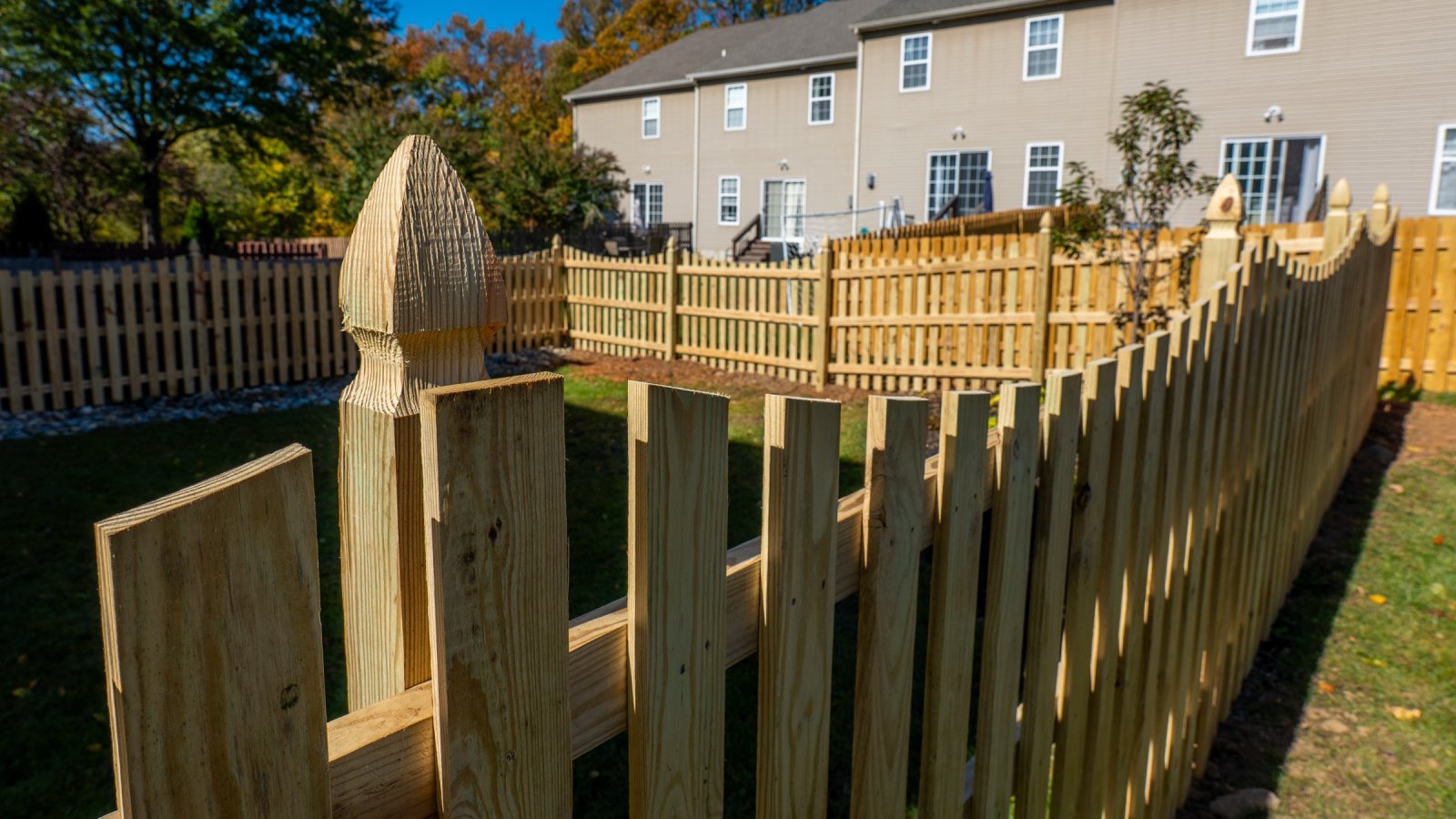
Industrial grade security fence cost depends on far more than price per foot. Quantity, height, material gauge, gate count, and ground conditions all move the final number, so request a site-specific quote from Jannuzzio Group rather than relying on generic figures.
Scope sets the base: fence length, height, and access points. Commercial sites often need taller runs, heavier posts, and additional gates, and security toppers and perimeter hardening add more.
Site preparation is the second driver. Soil type, grade changes, and drainage affect footing depth and concrete requirements, and clearing, leveling, or utility locating adds labor before the first post goes in.
Finally, access control. Access control features such as gates and readers change both equipment and wiring costs, so plan for these early.
Material Options Compared: Steel, Aluminum and Welded Wire
Material selection decides most of the long-term cost of an industrial perimeter. For a breakdown of the different types of commercial fences, see the full range of options. Two fences that look identical on a quote can differ by a decade of service life, and the difference comes down to alloy, gauge, coating system, and how panels are joined.
Ornamental steel (welded and wrought-iron style). The default for high-security perimeters, because a welded steel picket or panel resists cutting, climbing, and vehicle impact far better than wire. What matters is picket spacing, picket and rail wall thickness, post schedule, and coating. Steel is the heaviest option, so footings and concrete volume run higher.
Aluminum. Lighter and rust-proof. The trade-off is impact resistance: an aluminum picket bends where steel would deflect, so aluminum suits lower-risk commercial frontage, decorative perimeter, and property-line fencing better than a true high-security perimeter. Lower weight also reduces footing size, a real cost offset on poor soil.
Welded wire and wire mesh. The most barrier per dollar and the best visibility, which is why it is common in utility substations, storage yards, and industrial compounds. Mesh opening and wire gauge are the spec that matters.
Chain link. Technically a wire product and one of the most common industrial perimeter materials. It is the lowest-cost way to enclose a large area but the easiest to cut, so it is usually paired with a topper and a clear protection-level decision.
How the trade-offs price out. Steel carries the highest material and footing cost but the longest service life and strongest cut resistance. Aluminum sits in the middle on price, wins on installation labor, and loses on impact strength. Welded wire and chain link are lowest per linear foot but need the most add-on hardware (toppers, tension wire, barbed arms) to reach a meaningful protection level, and those add-ons are where budgets surprise people. Match the material to the threat: decorative frontage gets aluminum, high-value compounds get steel, large low-risk enclosures get welded wire or chain link with a topper. A line-item quote separating material, coating, posts, footings, and hardware is the only fair way to compare bids.
Watch out: a quote that lists “galvanized steel” without naming the coating system isn’t a complete specification. Ask for the coating system in writing, because that detail strongly influences how long the fence lasts.
The table below summarises how each material compares on the factors that most affect total cost.
Material | Best for | Key difference |
|---|---|---|
Ornamental steel | High-security perimeters | Strongest cut and impact resistance; highest footing cost |
Aluminum | Decorative frontage and property lines | Rust-proof and lighter; bends under impact |
Welded wire | Substations, storage yards, compounds | Most barrier per dollar; best visibility |
Chain link | Large low-risk enclosures | Lowest cost per foot; easiest to cut |
Commercial Perimeter Security Standards and Protection Levels
Protection requirements vary with the property. A storage yard, a retail lot, and a utility site face different threats. Define the protection level first, then select materials and heights to meet it.
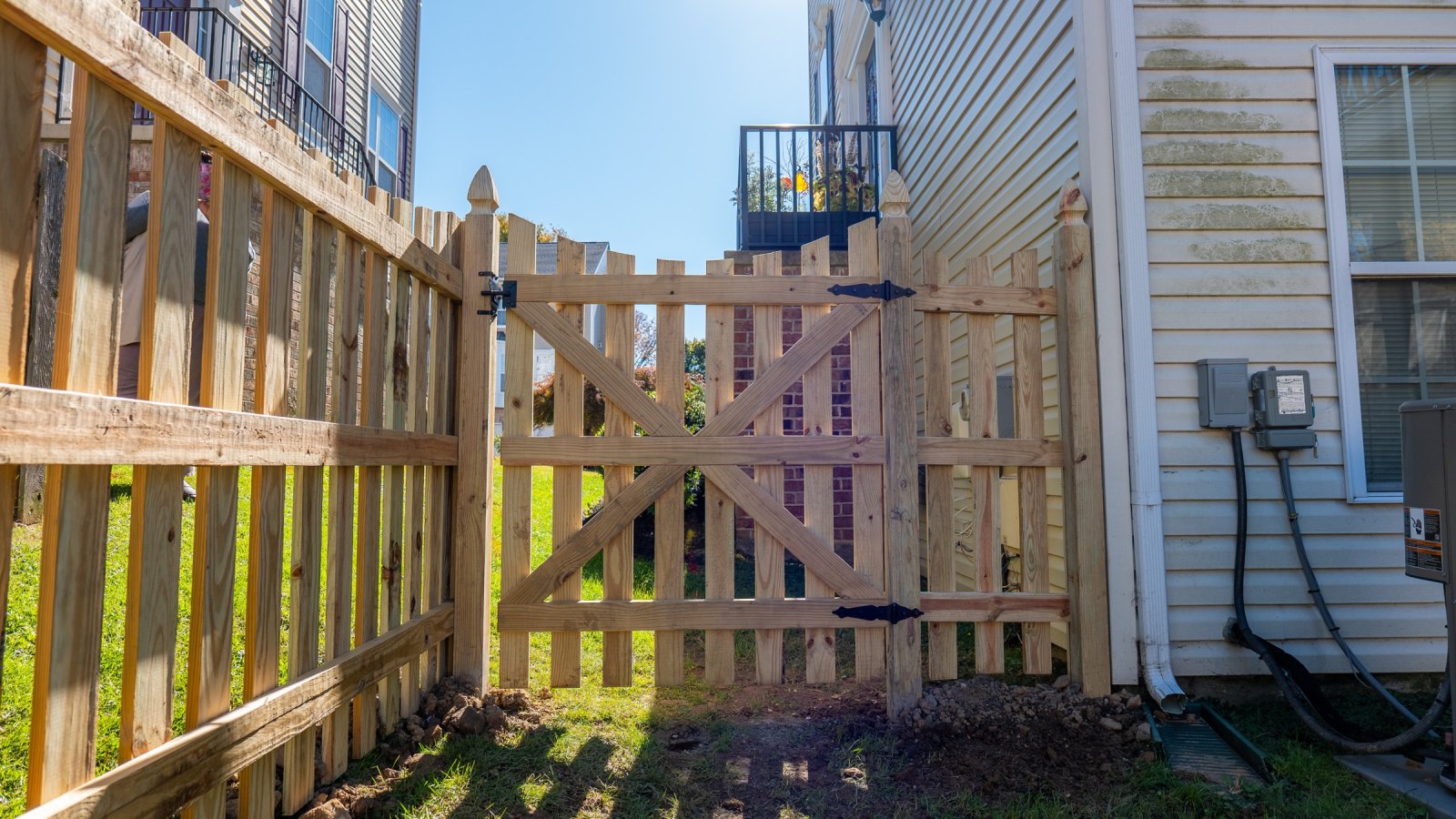
Higher protection levels usually call for taller fencing, reinforced posts, and tighter mesh. Explore the best fencing for businesses, designed for strength and long-lasting protection, in our guide to choosing the right commercial security fence. Toppers, lighting, and cameras improve deterrence. Before choosing a level, review site security risks with your insurer or a qualified security consultant.
Jannuzzio Group serves commercial properties across Delaware, Pennsylvania, New Jersey, and Maryland. Our team can help you match a fence design to your site’s protection needs.
Total Cost of Ownership and Next Steps for Your Project
The lowest installation quote is rarely the lowest total cost. Compare bids on a total cost of ownership (TCO) framework with four components: installed cost, scheduled maintenance, unscheduled repair, and replacement timing.
Installed cost is the number on the quote, and it should be broken into material, coating, posts, footings, gates, hardware, and labor. A bid that bundles everything into one line makes TCO comparison impossible.
Scheduled maintenance is the recurring cost most buyers underestimate. Steel and aluminum ornamental fence generally benefits from periodic inspection, touch-up on coating chips, and recoating as exposure requires. Welded wire and chain link need less cosmetic attention but still benefit from tension checks, post alignment, and coating inspections. Coastal and high-humidity sites shorten every interval because salt and moisture attack coating edges and weld points first. A proper hot-dip galvanized base with a factory powder coat stretches those intervals; a thin electro-galvanized layer will not.
Unscheduled repair is driven by corrosion at welds and cut edges, impact damage from vehicles or equipment, and gate hardware wear. Corrosion is the big one and is almost entirely a function of the coating system specified at purchase. Gate hardware, hinges, rollers, latches, operators, wears on a predictable cycle regardless of fence material, so budget for it as a recurring line. Impact repair cost scales with modularity: a panel-and-post system lets you replace one panel, while a welded-in-place system can require cutting and re-welding a section.
Replacement timing is where the TCO gap becomes obvious. A properly specified coated steel perimeter can serve for a long time with maintenance, while a thinner-coated panel in the same exposure may need replacement sooner. Spread over the life of the fence, that difference usually outweighs the upfront price gap. The same logic applies to aluminum versus steel and to GAW versus GBW welded wire: the cheaper product is cheaper because something in the coating or gauge was reduced.
How to apply the framework. Build a comparison sheet with one column per bid and one row per TCO component: installed cost, annual maintenance estimate, expected repair reserve, and expected replacement year. Ask each bidder to state the coating system, gauge or wall thickness, post schedule, and expected service life in writing; bids that cannot answer those questions are not comparable. Price electronic security integration here too, because conduit and power are easier to plan into the installation than to add later.
Next steps. Gather your property dimensions, required height, number of gates, protection level, and any access control or camera integration you expect. Then request a site-specific estimate so the quote reflects your soil, grade, drainage, and gate count rather than a generic per-foot figure. You can request a quote for industrial-grade fencing, gates, and security solutions directly.
Watch out: a bid that does not state its coating system, gauge, or expected service life in writing is hard to compare, because its total cost of ownership is unknown. Before committing, read how to choose the right security fence for your business.
Frequently Asked Questions
How much does a security fence cost?
Security fence cost varies widely with height, material, gauge thickness, topper style and site conditions, so no single figure fits every property. Linear foot pricing is the starting point for most estimates, but site preparation, footings, gates and access control hardware can add substantially to the total. For a project-specific figure, request a written estimate from Jannuzzio Group based on a site survey of your property.
How do material choices affect the long-term cost of a security fence?
Material choice affects both the upfront price and the maintenance schedule. Galvanized steel and powder-coated steel generally resist corrosion better than untreated metal, which can reduce repainting or replacement over time. Aluminum resists rust but may not offer the same impact resistance. Comparing durability and maintenance needs alongside the initial quote gives a more accurate picture of total ownership cost.
Are there hidden costs in high-security perimeter fencing?
Common hidden costs include site survey and grading work, concrete footings deeper than standard residential installations, gate automation, access control wiring, and permit or inspection requirements that vary by municipality. Confirm with your contractor whether these items are included in the quote so the final invoice does not surprise you.