
Last Updated: November 12, 2026
Quick Summary
A fence workmanship warranty covers problems caused by how the fence was installed, such as leaning posts, loose panels, sagging gates, and incorrectly installed hardware. It does not cover wear from materials over time, which is typically handled by a separate material warranty.
- Workmanship warranties usually come from the installer and cover how the fence was built.
- Material warranties usually come from the manufacturer and cover defects in boards, pickets, or hardware.
- Neglect, rot, untreated wood, and storm or impact damage usually fall outside workmanship coverage.
- Keep your contract, receipts, and photos of the completed work in case you need to make a claim.
Table of Contents
- Workmanship Warranty Versus Material Warranty
- Common Fence Installation Defects Covered by the Warranty
- What Voids a Fence Warranty and How to Keep Coverage Valid
- Frequently Asked Questions
Most homeowners assume a fence warranty covers everything that goes wrong with a fence. It usually doesn’t. A fence workmanship warranty covers problems caused by how the fence was built, not by how the materials wear over time. Knowing that difference helps you know what to ask any installer to put in writing before work begins. Putting the workmanship warranty in writing alongside the other contractor warranty terms can clarify what is covered before work begins, a distinction Real Property Industries, LLC helps homeowners keep in view.
Workmanship Warranty Versus Material Warranty
A workmanship warranty covers the installation work itself. If a post leans, a gate sags, or a panel comes loose because it was set or attached poorly, that falls under workmanship.
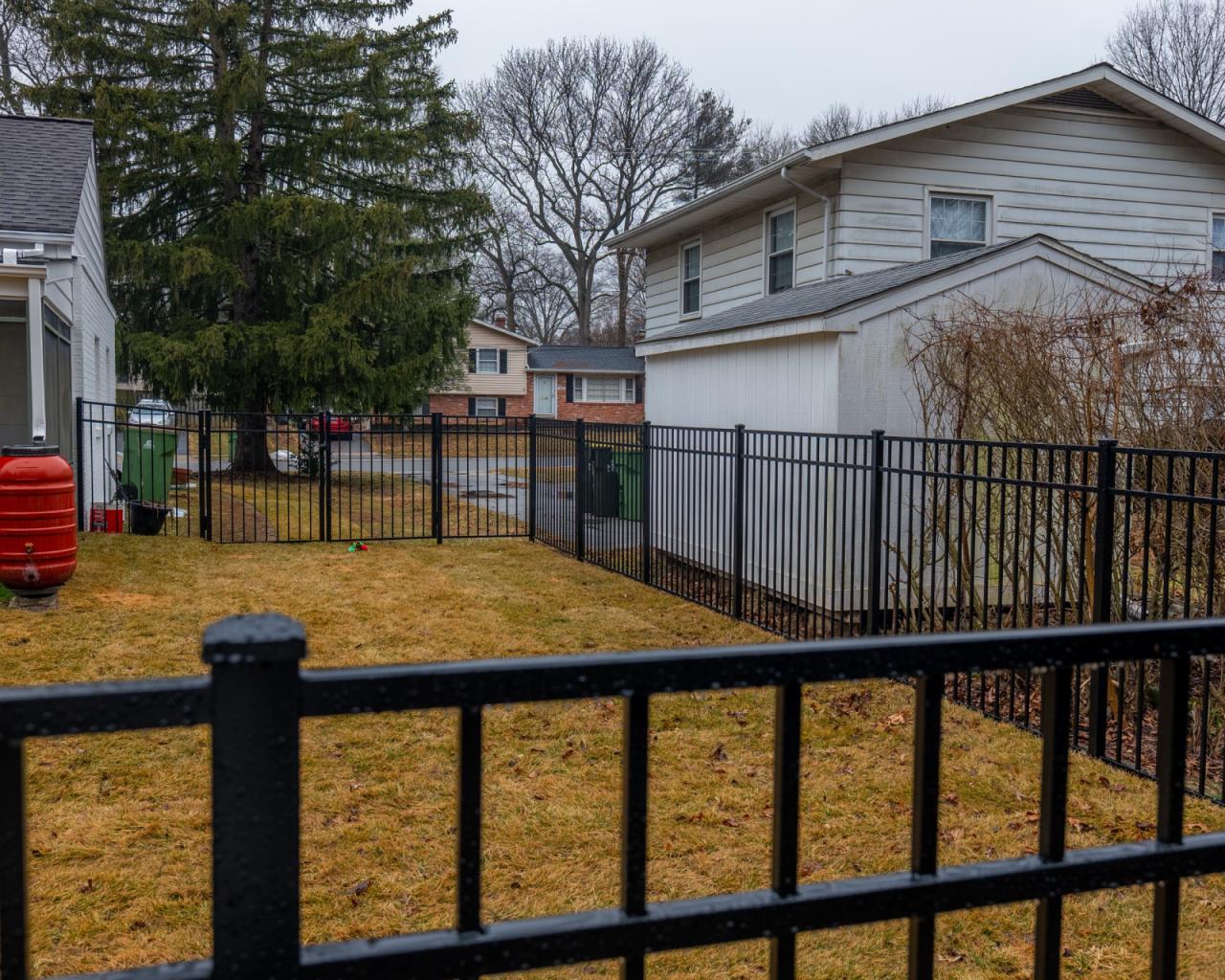
A material warranty covers the fence parts themselves, such as the boards, pickets, or hardware. It usually comes from the manufacturer, not the installer.
Watch out: a fence can fail under both warranties at once. Check which one applies before you file a claim.
The two warranties cover different things, so it helps to compare them side by side.
Warranty type | What it covers | Who typically provides it |
|---|---|---|
Workmanship warranty | Problems from how the fence was installed | The installer |
Material warranty | Defects in boards, pickets, or hardware | The manufacturer |
Both at once | A fence can fail under both | Check which applies before filing a claim |
Common Fence Installation Defects Covered by the Warranty
Workmanship coverage typically addresses problems like these:
- Posts that lean, shift, or feel unstable
- Rails, pickets, or panels that are loose or misaligned
- Gates that sag, rub, or won’t latch properly
- Hardware installed incorrectly
What Voids a Fence Warranty and How to Keep Coverage Valid
Neglect can void coverage. Rot, untreated wood, and damage from impact or storms usually fall outside workmanship protection. Regular maintenance, like cleaning and sealing wood fences, helps protect your coverage. For more detail, see our guide on keeping a wood fence in good shape.
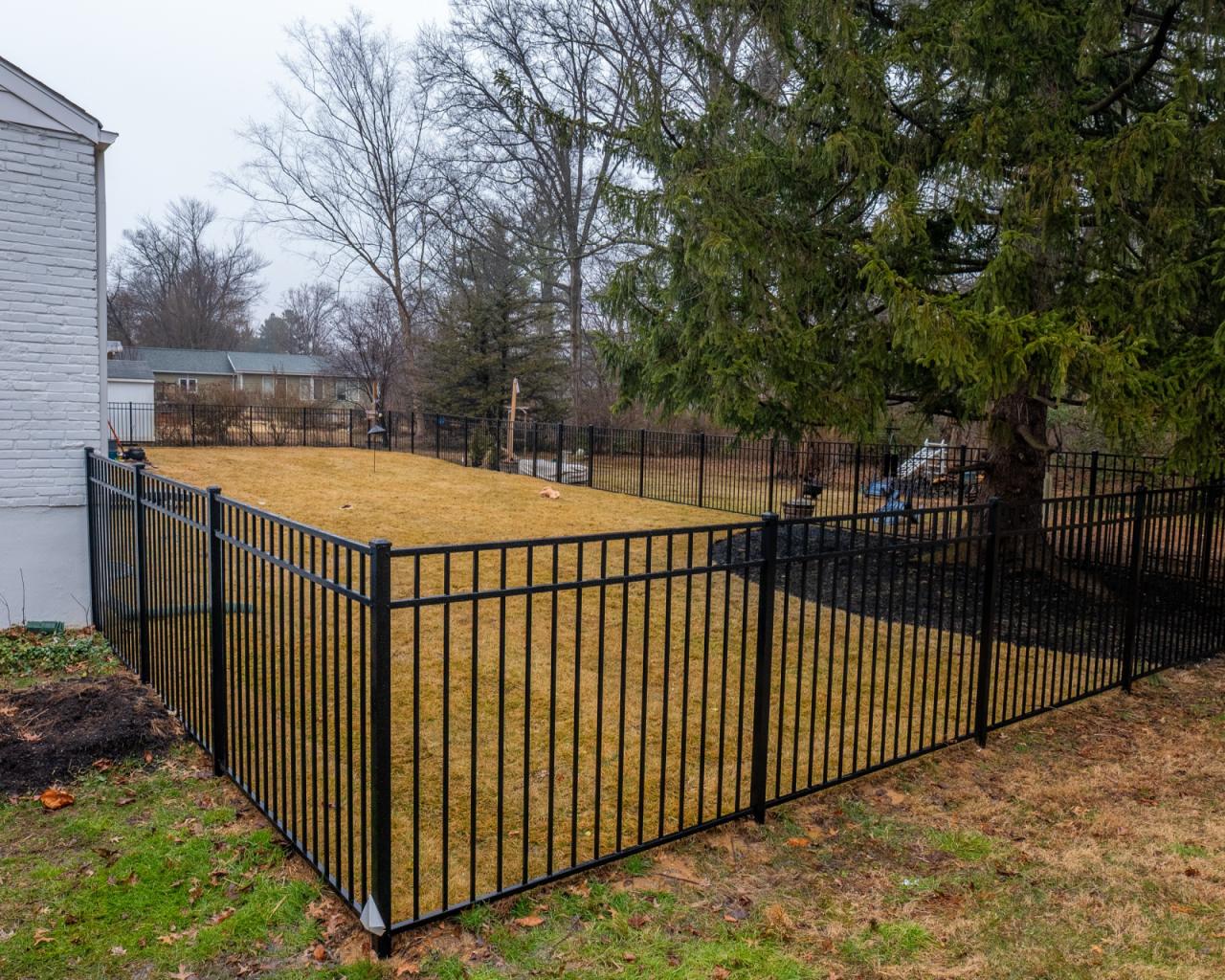
Keep your contract, receipts, and photos of the completed work. You will need them if you ever make a claim.
Frequently Asked Questions
What does a fence workmanship warranty cover?
A fence workmanship warranty covers errors made during installation, such as posts that lean or shift, panels or rails that are loose or misaligned, and gates that sag, fail to close, or latch improperly. It applies to the installer’s labor and setup, not to the materials themselves. Read the written warranty to confirm the covered items, the coverage period, and the steps required to file a claim.
What is the difference between a material warranty and a workmanship warranty?
A workmanship warranty is issued by the installer and covers how the fence was built. A material warranty is issued by the manufacturer and covers defects in the product itself, such as cracking vinyl or rotting boards. Many fences carry both, and a problem may fall under one, the other, or neither depending on its cause. Ask your contractor for both documents before work begins.
What voids a fence warranty?
Warranties are commonly voided by neglect or unauthorized changes, such as failing to maintain a wood fence, modifying the structure, or letting third parties perform repairs. Damage from storms, soil movement, or impact may fall outside coverage. Keep records of maintenance and read the exclusions section carefully, since the specific conditions that void coverage vary by contractor and document.